
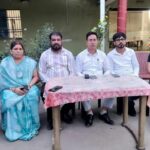






Ranchi: Former Chief Minister Champai Soren has strongly criticized the Jharkhand government for what he calls a big betrayal of the tribal community through the new PESA rules.
He said the government brought out the PESA Act last month but kept hiding the rules. Only when the rules came out recently did people understand why they were hidden.
Despite pressure from the High Court and protests from the opposition, the rules that have come are completely against tribal interests. Comparing them to older drafts, Soren said the government has changed the very essence of PESA.
The biggest change is that words like customary laws and religious practices are missing from how village assemblies are formed. Even the Indian Constitution recognizes these traditional ways, so why remove them? If village assemblies ignore traditional systems, what is the point of PESA?
The main goal of PESA is to protect tribal customs, social and religious traditions. Supreme Court and High Courts have said many times that PESA extends constitutional protection to tribal self-rule and cultural preservation.
But this government wants to give rights to people who have long left tribal religion and ways of life. Those who have their own religion and already get minority benefits will now take away tribal rights too.
Soren recalled the famous Supreme Court case from Odisha’s Niyamgiri hills in 2013, where mining was stopped because tribals said their gods live there. The court respected tribal beliefs.
If courts respect our religious views, why is this state government having a problem? What kind of PESA is this?
In the new rules, powers of village assemblies have been cut down. Community resources, which earlier included water, forests, land and minor minerals in notified areas, are now limited only to sacred groves and cultural sites. How can tribals be kept away from water, forest and land rights in scheduled areas?
Village assemblies used to manage resources, but now their powers are limited. Earlier, they could approve state plans and funds, but now only consent is needed – and if not given in 30 days, it is considered approved.
From formation to disputes, most powers go to the deputy commissioner. What role is left for village assemblies?
Minor minerals like sand, soil and stones were fully under village control before, but now they have to follow government orders. Tribals could allow mining for local use earlier, but now everything is in government hands.
Rights to reclaim land violated under CNT/SPT laws are removed. No wonder, when top leaders themselves break these laws.
There are no guidelines for industries in scheduled areas. Why do tribals always pay the price of displacement for industries, dams and development?
Soren gave examples like Chandil dam, where over 100 villages drowned for water supply to cities and industries, but displaced people got nothing. Jamshedpur is built on tribal land – where are those original people now?
He demanded stopping Tata lease renewals immediately.
The rules remember liquor shops and distilleries in tribal areas but forget displaced people’s rights. This shows the government’s priorities.
Soren warned that there will be strong opposition at every level against this attempt to snatch tribal rights.



Add Comment